


keyboard_arrow_up
keyboard_arrow_down
alabaster, black
more
more
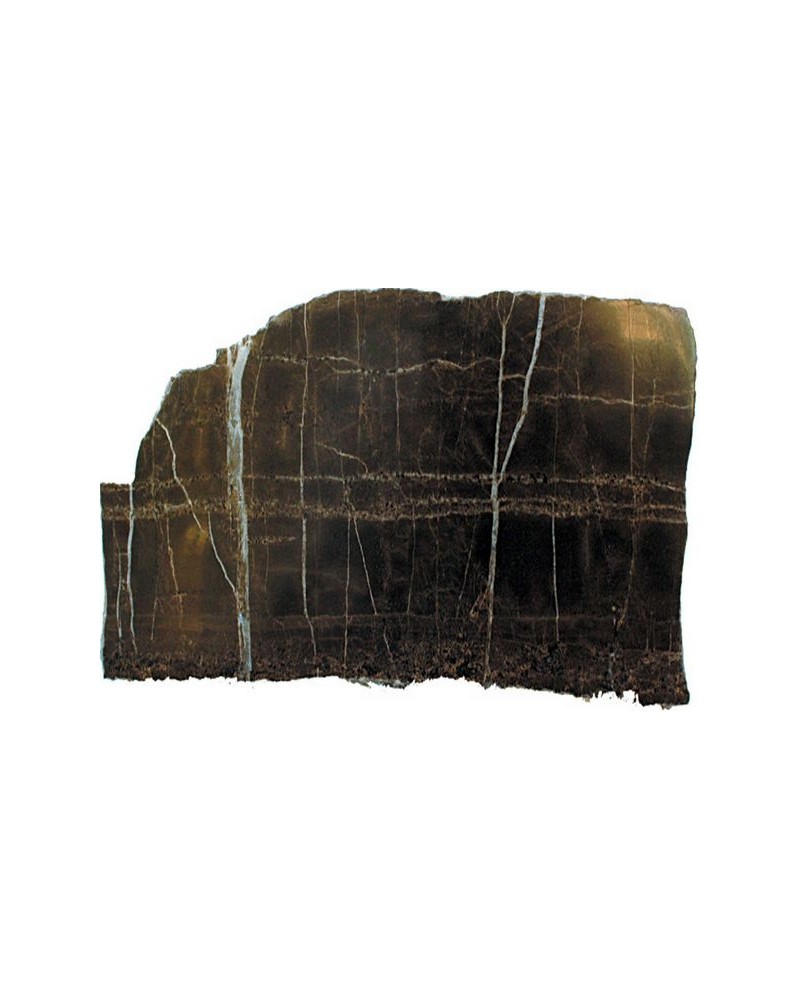
Seltener schwarzer Alabaster - gerade eingetroffen!
Vorwiegend Stücke ohne Sägekanten mit nur wenigen verunreinigten Randschichten. Sehr schichtig, Risse sind möglich. Schwarzer Alabaster enthält Kohlenstoff und hat deshalb eine etwas höhere Mohs-Härte als transparent-weißer Alabaster. Auch die Kristallstruktur ist etwas feiner und dichter. Beim Polieren können sich weiße bis graue Adern zeigen.
TECHNISCHE ANGABEN
| Herkunft | Spanien |
| Härtegrad Mohs | 2 - 2,5 |
| Aussehen | dunkel, vereinzelt mit weiß-transparenten Zeichnungen |
| Struktur | homogen, halbkristallin |
| Dichte | 2,3 kg/dm³ |
| Besonderes | nicht witterungsbeständig |
In Spanien gibt es keinen Ort, an dem der schwarze Alabaster zuverlässig und regelmäßig gefördert wird. Gelegentlich tut sich bei gewöhnlichen Erdarbeiten eine kleine Schichtung dieses seltenen Alabasters auf. Daher ist der schwarze Alabaster nur temporär lieferbar.
BEARBEITUNG
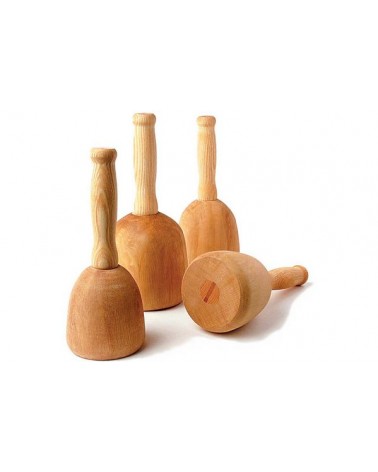
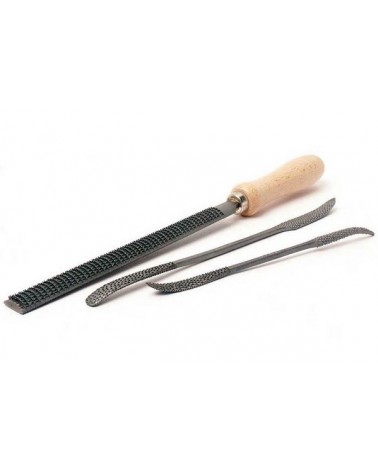
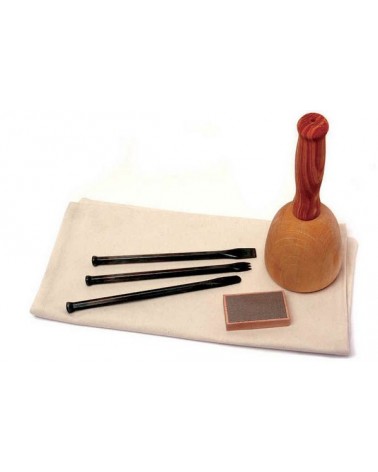
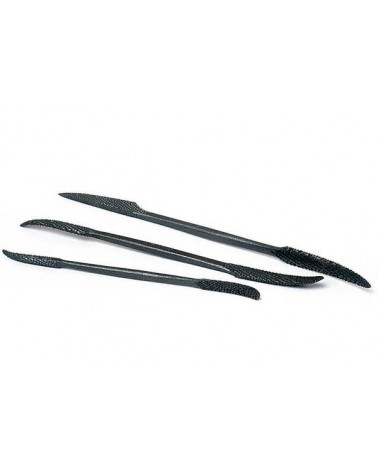
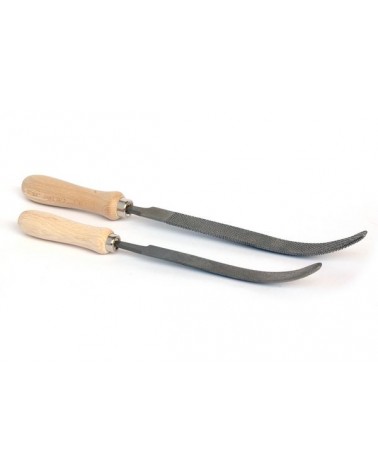
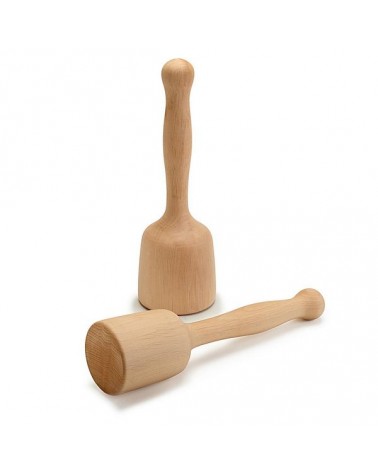
Der schwarze Alabaster lässt sich sehr gut und schnell mit der Maschine bearbeiten. Durch die Maschinenbearbeitung lassen sich 'Verletzungen' des Steins vermeiden, die sich in weißen Stellen zeigen. Für die Bearbeitung mit Meißeln empfehlen wir besonders Zahneisen und Flach- oder Schrifteisen mit Klüpfelkopf aus Schmiedestahl in Kombination mit einem Holzklüpfel. Damit lässt sich der Stein schonend bearbeiten. Von Spitzeisen raten wir ab, weil die Steinstruktur zu schnell zunächst unbemerkt zerstört wird und sich dann beim Schleifen und Polieren weiße Stellen zeigen. Raspeln und Feilen eignen sich ebenfalls zur Bearbeitung.
WEITERE INFOS
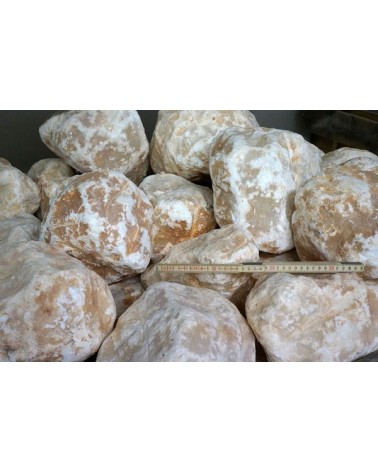
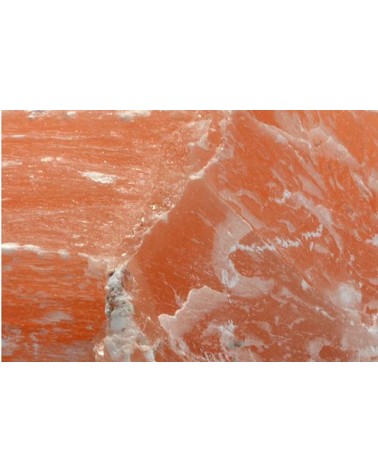
Bei Alabaster handelt es sich um eine kristalline Form des Minerals Gips. Die Alabaster-Gewinnung erfolgt durch das Fördern von unterschiedlich großen Knollen, die in der Erde gefunden werden. Je nach Fundort variiert nicht nur die Größe der Knollen, sondern auch die Färbung des Alabasters. Von außen in den Stein eindringendes Eisenoxid kann den Stein z.B. rosafarben bis rötlich einfärben. Außer dem transparent-weißen gibt es grauen, hellgelben, rötlichen, braunen und fast schwarzen Alabaster mit zum Teil weißen Adern.
Hier finden Sie interessante Informationen zum Berechnen des Gewichtes eines Bildhauersteines.
Hier finden Sie interessante Informationen zum Berechnen des Gewichtes eines Bildhauersteines.